.vrf-book-card {
display: flex;
gap: 26px;
align-items: flex-start;
margin: 30px 0;
padding: 24px;
border: 1px solid #e8e8e8;
border-radius: 18px;
background: #fff;
}
.vrf-book-cover {
flex: 0 0 165px;
max-width: 165px;
}
.vrf-book-cover img {
width: 100%;
height: auto;
display: block;
border-radius: 9px;
box-shadow: 0 8px 20px rgba(0,0,0,.12);
}
.vrf-book-copy {
flex: 1;
min-width: 0;
}
.vrf-book-copy h3 {
font-size: 23px;
line-height: 1.3;
margin: 0 0 7px;
}
.vrf-book-meta {
color: #777;
font-size: 14px;
margin: 0 0 13px;
}
.vrf-book-copy p:last-child {
margin-bottom: 0;
}
.vrf-featured-book {
background: #fff8ef;
border-color: #efdfc9;
}
.vrf-school-book {
background: #f5f8fb;
border-color: #e2e9ef;
}
.vrf-book-badge {
display: inline-block;
margin-bottom: 9px;
padding: 5px 10px;
border-radius: 999px;
background: #f1e8fa;
color: #62437c;
font-size: 12px;
text-transform: uppercase;
letter-spacing: .8px;
}
@media (max-width: 640px) {
.vrf-book-card {
display: block;
padding: 20px;
}
.vrf-book-cover {
max-width: 145px;
margin: 0 auto 22px;
}
}
New & Noteworthy
These are some of the more recent additions to the growing shelf of
children’s books about vitiligo — including one that could hardly be
better timed for back-to-school season.
Back-to-school pick
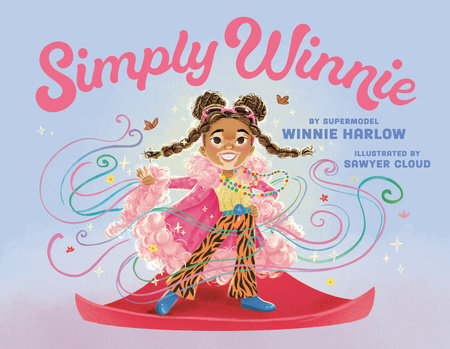
Winnie Harlow — Simply Winnie
Illustrated by Sawyer Cloud · Ages 4–8 · Published 2026
Winnie spends the summer planning bold outfits for school, then
discovers that being noticed feels rather different once she is
actually surrounded by classmates.
Inspired by Winnie Harlow’s own childhood experience with vitiligo,
the story is less about explaining the biology of the condition and
more about confidence, identity, and that familiar childhood pressure
to fit in.
That makes it particularly timely for the first weeks of school.
It lets children talk about standing out without turning every
conversation into a medical seminar.
Publisher page →
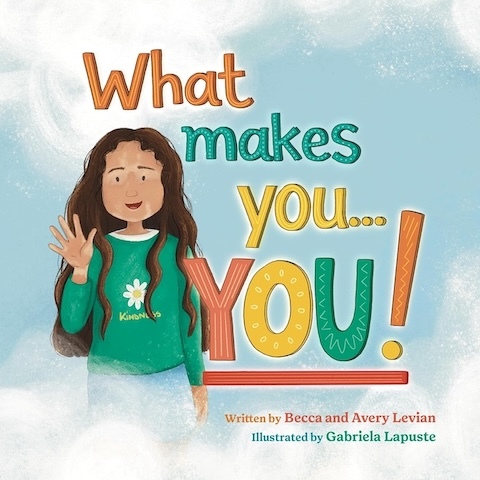
Becca Levian and daughter — What Makes You… YOU!
Ages 4–8
Inspired by the author’s daughter, who developed vitiligo at age five.
Co-written by mother and daughter, the story focuses on identity,
self-acceptance, confidence, and empathy — useful territory when a
young child begins asking why their skin looks different.
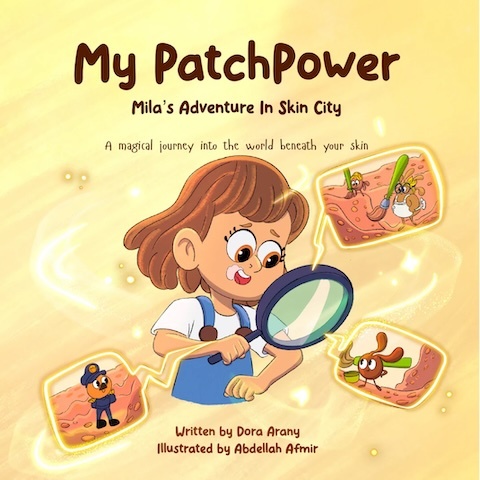
Dora Arany — My PatchPower: Mila’s Adventure In Skin City
Illustrated by Abdellah Afmir · Ages 4–9
This one takes children on a gentle adventure “inside the skin.”
Rather than focusing only on confidence, it offers families a simple
way to talk about what may be happening biologically when vitiligo
develops — without turning bedtime into a dermatology board exam.
Visit the book website →
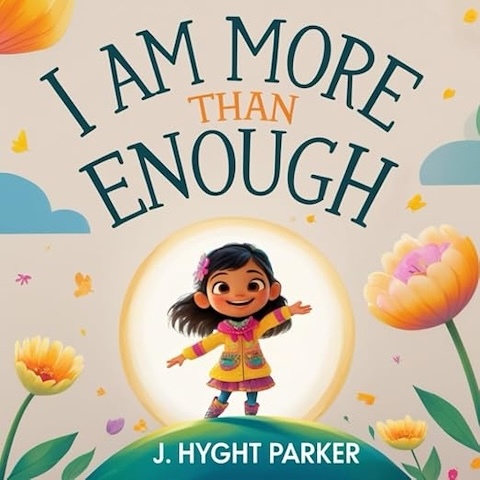
J. Hyght Parker — I Am More Than Enough
Ages 2–8
An affirming picture book featuring a girl with vitiligo who
celebrates her skin as part of who she is. The themes are confidence,
self-worth, diversity, and faith-based encouragement.
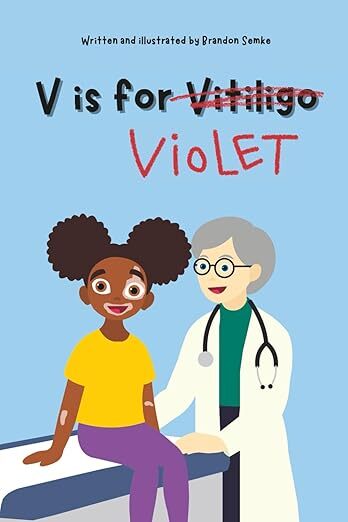
Brandon E. Semke — V is for Violet
Ages 4–8
An alphabet-style story about a cheerful girl named Violet who begins
learning about vitiligo after a visit to the doctor. Straightforward,
warm, and useful as an early introduction.
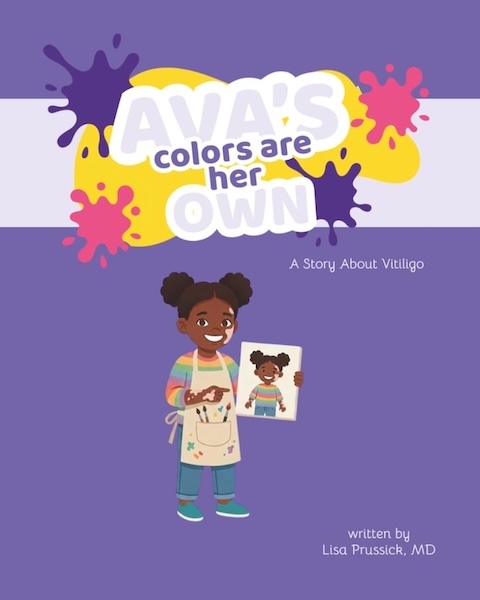
Lisa Prussick, MD — Ava’s Colors Are Her Own
The Skin Brief: Kids series · Ages 5–10
Ava notices pale patches appearing on her skin and starts learning
what vitiligo means. The story keeps the tone calm and reassuring,
making it a useful first-conversation book for families who want to
explain the condition without immediately making treatment the hero
of the story.
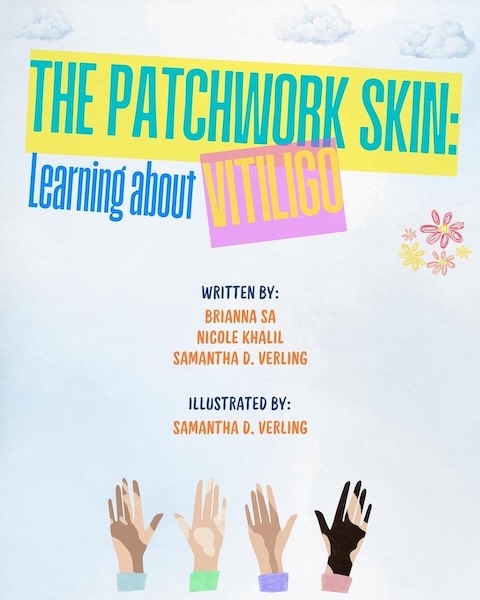
Brianna Sa, Samantha D. Verling & Nicole Khalil —
The Patchwork Skin: Learning About Vitiligo
Ages 4–8
A gentle introduction to vitiligo through the eyes of a curious child.
It combines basic explanation with acceptance and representation,
making it useful both at home and in classrooms.
Great for school
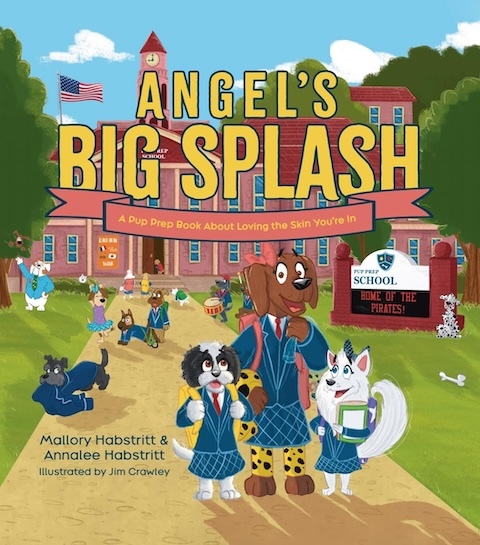
Mallory Habstritt and Annalee Habstritt —
Angel’s Big Splash
Ages 4–8
Angel the dog starts at a new school and worries about her vitiligo
patches. A sweet school-based story about friendship and the fact
that real friends generally have better things to do than conduct
unsolicited skin inspections.
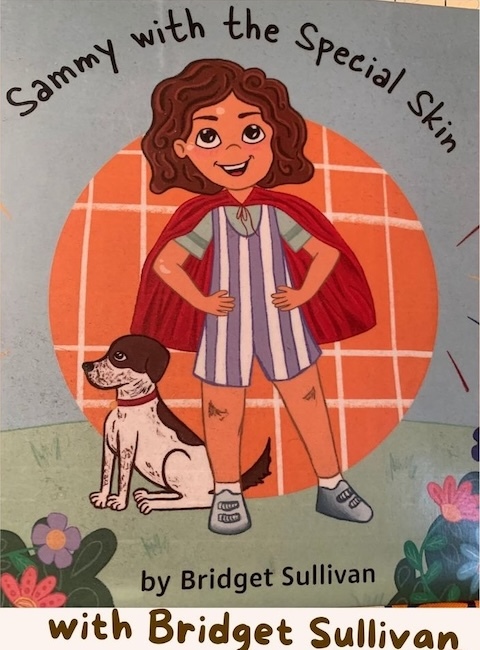
Bridget Sullivan — Sammy with the Special Skin
Ages 4–8
A calm, reassuring story about a young girl becoming comfortable in
her own skin. Vitiligo is present without being allowed to consume
the entire plot.
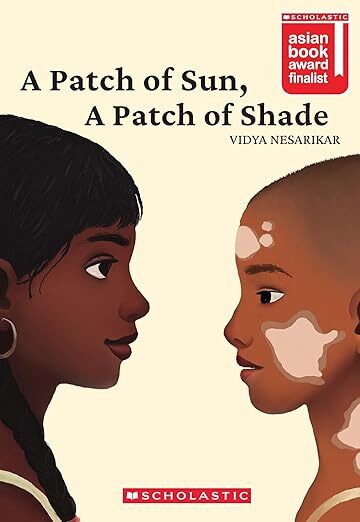
Vidya Nesarikar — A Patch of Sun, A Patch of Shade
Ages 7–11
Champa stops going to school because of staring and questions, then
finds friendship and courage. It carries more emotional weight than
many picture books and may work especially well for older
primary-school children dealing with real social anxiety.
New Additions to Our Shelf
These books were not included in the previous version of our list.
We’ll add cover images here as we obtain suitable publisher or
author-supplied artwork.
First-day-of-school pick
Shankar Jalota — The Adventures of The Vitiligo Man
Published 2022 · Younger readers
Awais is starting at a new school. He has a patch of vitiligo around
his eye and worries about exactly what many children worry about:
Will people stare? Will somebody make fun of me? Will I make friends?
Then he meets Lola, a girl with freckles, and begins discovering
what the story calls his “everyday superpowers.”
School is not just scenery here — it is the actual story. That makes
this one of the most directly relevant additions to our
back-to-school list.
Jordan Burk — Kelly and the Star of New Orleans
Published 2022
Part of the Kelly and Kelso series, this story follows Tilly, a
New Orleans trumpet player with vitiligo who dreams of performing
at Jazz Fest.
There’s friendship, music, ambition, and a plush alligator named
Guidry Gator. Which already puts it several points ahead of most
medical education material.
Most importantly, Tilly is a character with vitiligo who actually
wants to do something besides talk about vitiligo.
Romana Mathews — Cocoa’s and Hazel’s Vitiligo Superpowers
Published 2022
Cocoa learns about the white patches on her arm from Grandma Nita.
Later, at a Juneteenth celebration, she meets Hazel — another girl
with vitiligo who is hiding her patches.
The story brings together family, Black identity, friendship,
representation, and visible difference. That makes it particularly
interesting for children who rarely see themselves represented in
mainstream picture books.
More Titles Worth Exploring
Some of these titles are newer or independently published. They may be
useful for families, schools, and libraries, but we are still gathering
direct reader feedback.
Think of this section as a promising shelf, not a papal blessing from
the Council of Vitiligo Book Elders.
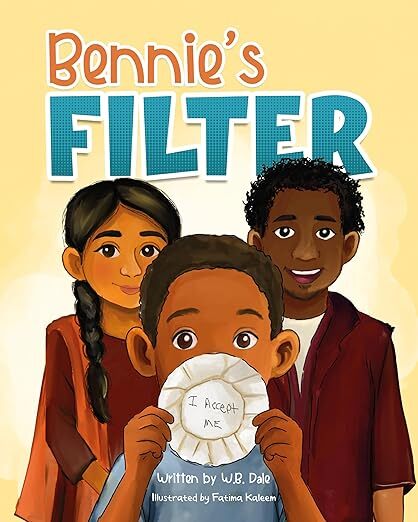
W.B. Dale — Bennie’s Filter
Ages 5–8+
Based on the author’s own experience with vitiligo. Bennie learns
that skin can change, while real friendship should not. Because the
story touches on teasing and rejection, younger or sensitive
children may benefit from reading it together with an adult.
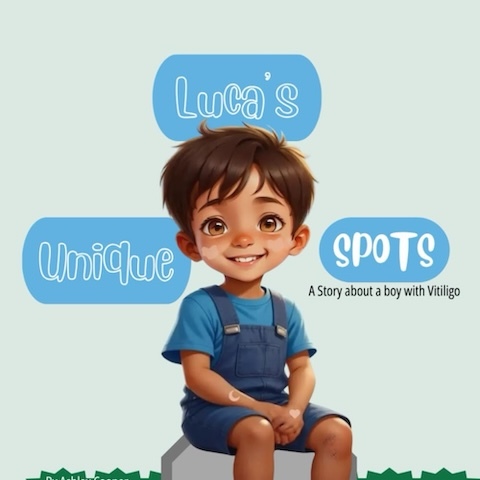
Luca’s Unique Spots: A Story About a Boy with Vitiligo
Ages 2–8
A short story about a boy navigating school, public attention, and
belonging. A potentially useful early-childhood introduction.
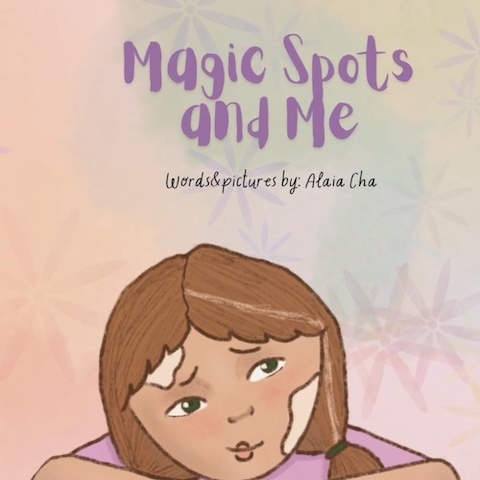
Alaia Cha — Magic Spots and Me
Ages 2–8
Finley learns to accept her vitiligo and see her changing skin with
more kindness.
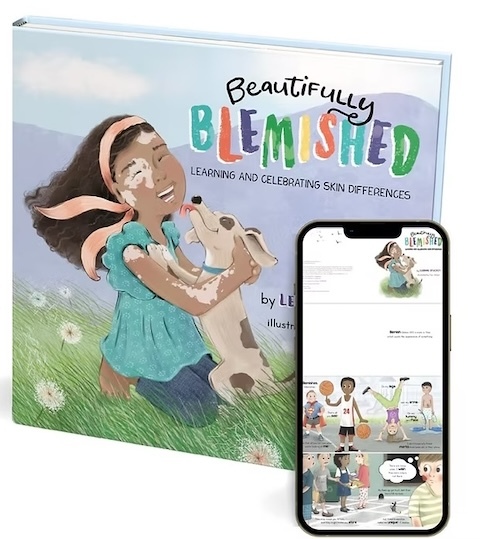
Leanne Stuckey — Beautifully Blemished
Ages 3–8
A rhyming celebration of visible skin differences including
vitiligo, birthmarks, scars, and eczema. Particularly useful for
classrooms because its message goes beyond any single diagnosis.
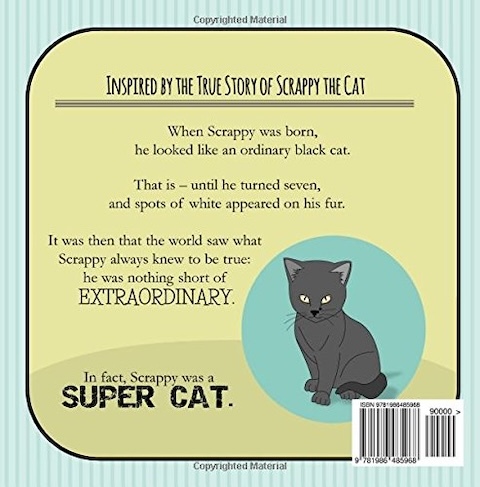
Jacqueline Ridge — The Adventures of Scrappy the Cat
Ages 3–8
A playful story about visible difference told through an animal
character — often a useful route for younger children who may not yet
want to talk directly about themselves.
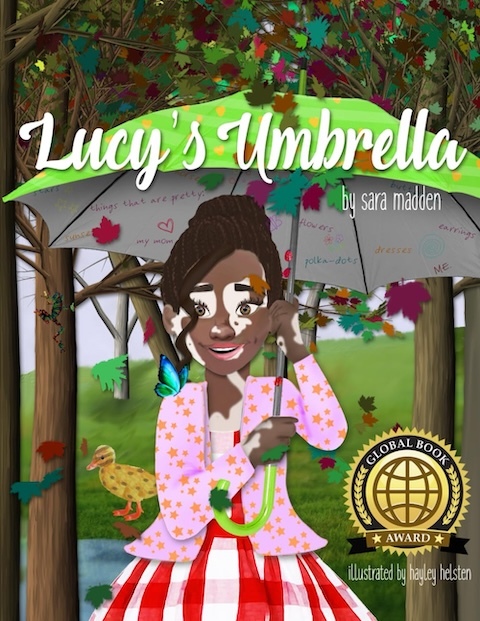
Sara Madden — Lucy’s Umbrella
Ages 3–8
A gentle story touching on skin patterns, difference, beauty,
and friendship.
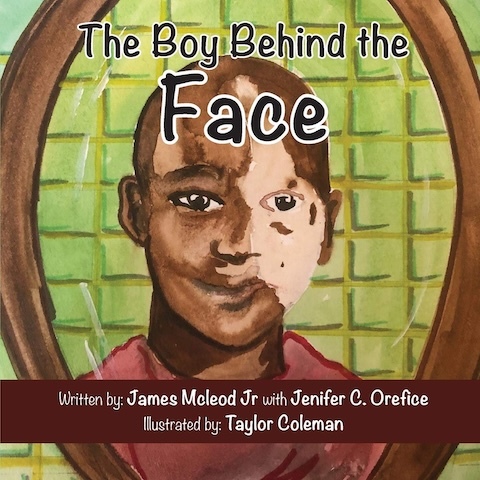
James McLeod Jr. — The Boy Behind the Face
Ages 7+
A story about bullying, courage, and learning not to define yourself
entirely through other people’s reactions.
Classic Favorites
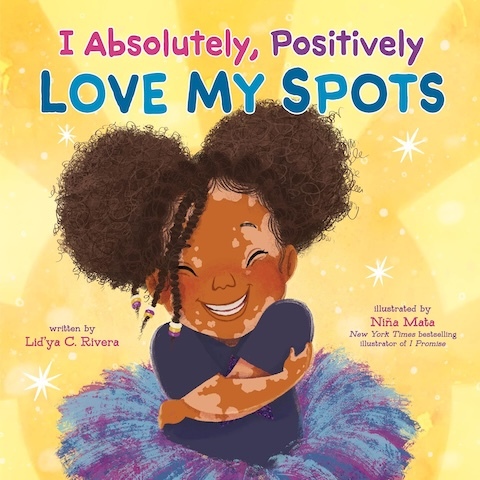
Lid’ya C. Rivera — I Absolutely, Positively Love My Spots.
Ages 4–8
Bright, upbeat, and unapologetically positive about visible
difference.
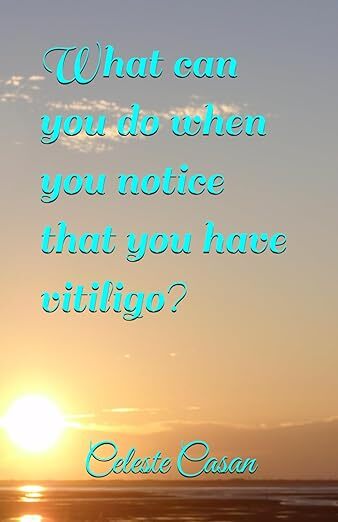
Celeste Casan —
What can you do when you notice that you have vitiligo?
Ages 4–8
Focuses more heavily on feelings and may be useful during the early
“Why me?” stage.
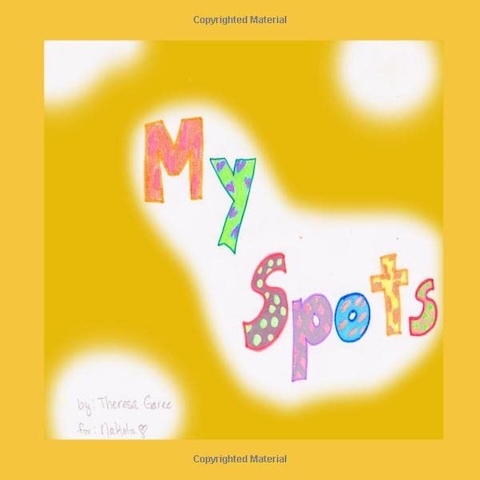
Theresa and Nakota Garee — My Spots.
Ages 3–7
Uses an animal-spots metaphor to help younger children feel less
alone.
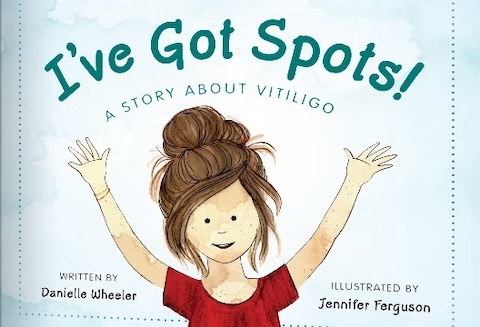
Danielle Wheeler — I’ve Got Spots!
Ages 4–8
Direct, energetic, and confidence-focused.
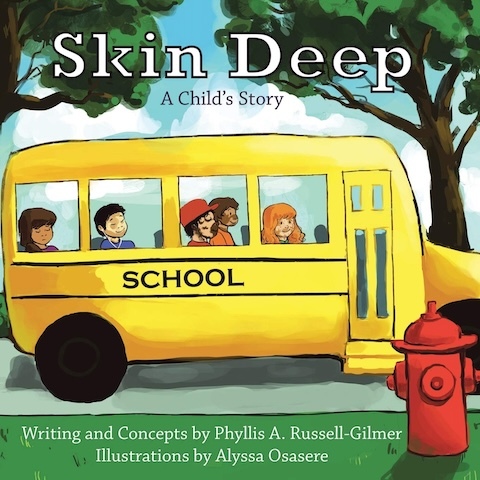
Phyllis Russell-Gilmer — Skin Deep
Ages 4–8
A rhyming reminder that children are more than other people’s
reactions to their appearance.
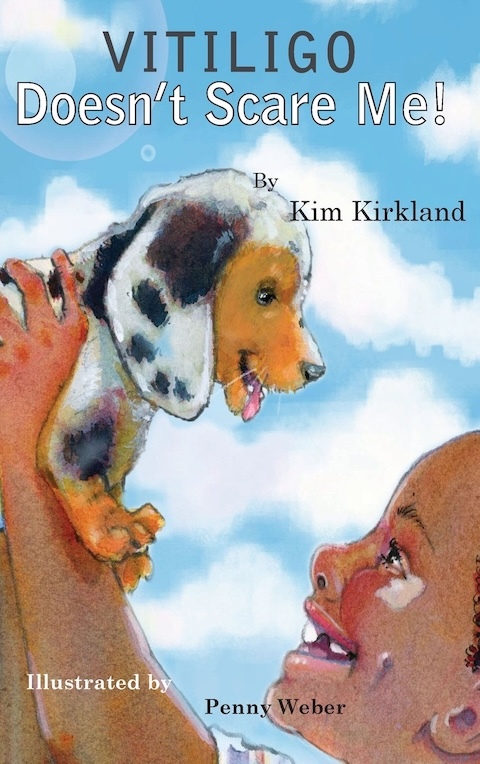
Kim Kirkland — Vitiligo Doesn’t Scare Me!
Ages 4–8
Straightforward reassurance for younger children learning about
vitiligo.
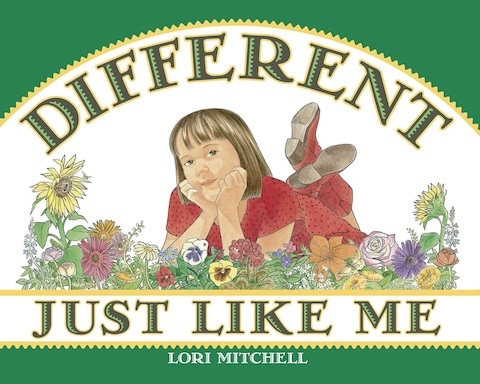
Lori Mitchell — Different Just Like Me
Ages 4–9
A broader story about human differences. One of the stronger options
for classroom discussions about inclusion.
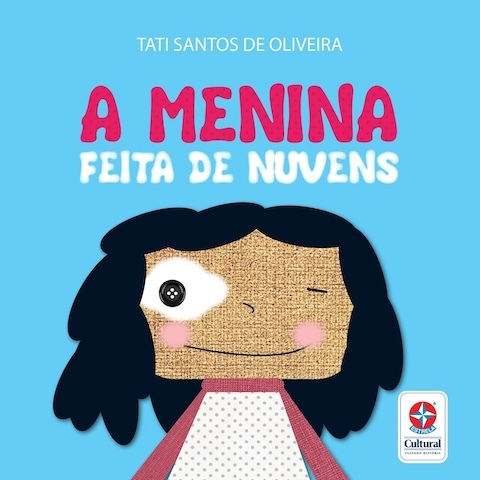
Tati Santos de Oliveira —
A Menina Feita de Nuvens / The Girl Made of Clouds
Ages 5–9
Poetic and imaginative, and a welcome reminder that the vitiligo
bookshelf does not begin and end in English.
Back-to-school favorite
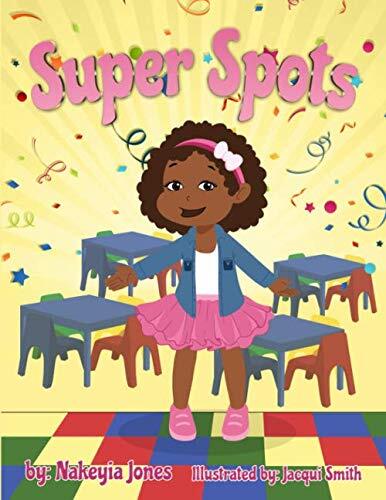
Nakeyia Glover-Jones — Super Spots
Ages 5–9
A joyful back-to-school story with a confident, normalizing tone.
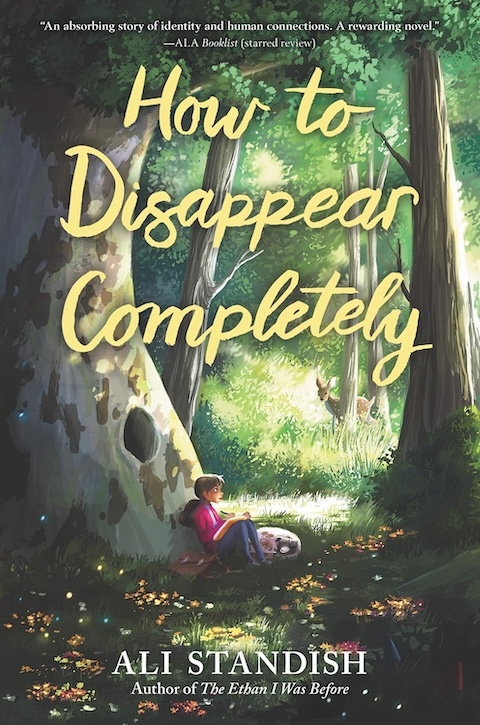
Ali Standish — How to Disappear Completely
Ages 8–12+
A middle-grade novel where vitiligo is part of the character’s life
rather than the character’s entire identity. Better suited to older
children ready for a longer, more layered story.