📚 Children’s Books That Are Actually Worth Reading
Good stories can make those first conversations about vitiligo easier — at home, in the classroom, and everywhere in between.
Updated August 2026 · VR Foundation
School is complicated enough without having to explain your skin before you’ve even found your classroom.
For a child with vitiligo, the first few weeks back can bring the usual questions. Will anyone stare? Will somebody ask what happened? Do I explain it? Ignore it? Make a joke?
And why, exactly, does every seven-year-old suddenly become a dermatologist during recess?
A good children’s book can help.
Not because every child with vitiligo needs a motivational speech about being “special.” Sometimes they just need to see another child walk into school with patches, answer a question, make a friend, and get on with life.
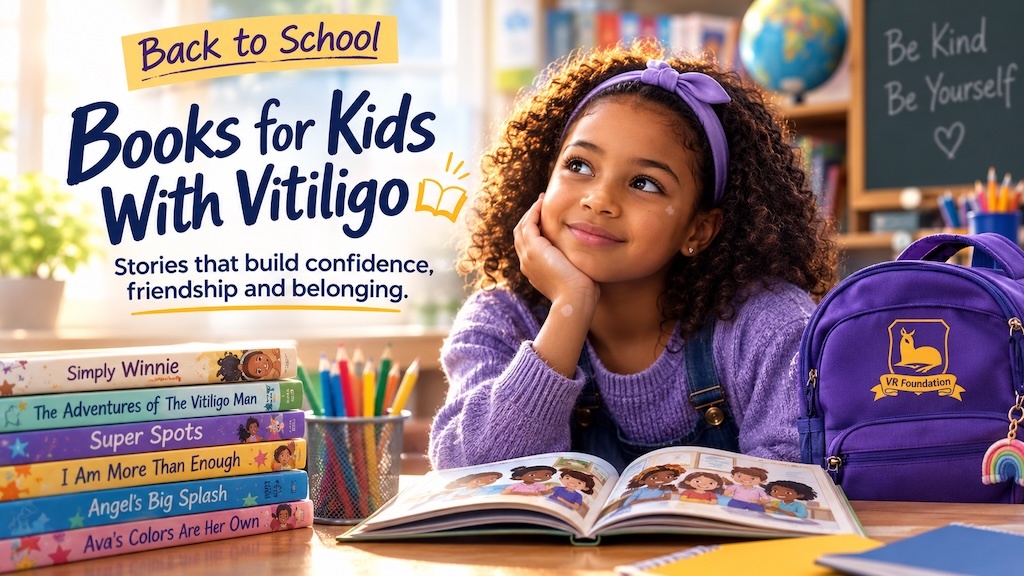
So for back-to-school season, we’ve updated our reading list with newer titles, books we missed the first time around, international additions, and several stories particularly useful for school, friendships, confidence, and those inevitable questions about visible difference.
The short version
If your child is heading back to school, start with books that normalize difference without turning vitiligo into the entire plot. Simply Winnie, The Adventures of The Vitiligo Man, Super Spots, Angel’s Big Splash, Amiri’s Birthday Wish, and Kelly and the Star of New Orleans each do that in different ways.
Purchase links are included for convenience. The VR Foundation does not endorse every author or retailer and does not receive sales commissions. Availability and prices vary by country, format, and edition.
At a Glance — Quick Picks by Need
🎒
First day of school
Simply Winnie, The Adventures of The Vitiligo Man, Super Spots, Angel’s Big Splash
💬
Explaining vitiligo
Ava’s Colors Are Her Own, V is for Violet, The Patchwork Skin, My PatchPower
🌟
Confidence
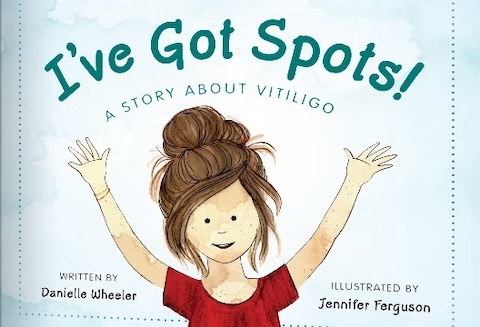
I Am More Than Enough, I Absolutely, Positively Love My Spots, I’ve Got Spots!
🤝
Representation without a sermon
Amiri’s Birthday Wish, Kelly and the Star of New Orleans, Different Just Like Me
🛡️
Staring, teasing & difficult emotions
A Patch of Sun, A Patch of Shade, The Vitiligo Spot Spotter, The Boy Behind the Face, Bennie’s Filter
🏫
Classroom reading
The Adventures of The Vitiligo Man, Beautifully Blemished, Different Just Like Me
These are shortcuts, not commandments carved into stone tablets. The best book is the one that fits the child, the moment, and the question they are actually asking.
New & Noteworthy
Some of the more recent additions to the growing vitiligo bookshelf — including one that could hardly be better timed for back-to-school season.
Back-to-school pick
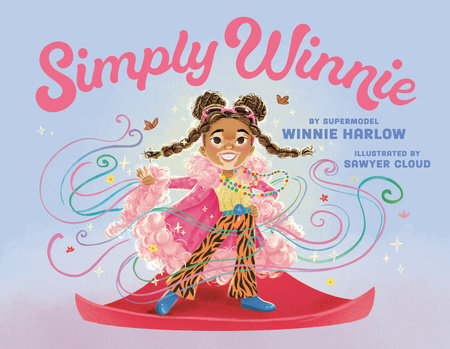
Winnie Harlow — Simply Winnie
Illustrated by Sawyer Cloud · Ages 4–8 · Published 2026
Winnie spends the summer planning bold outfits for school, then discovers that being noticed feels rather different once she is surrounded by classmates. Inspired by Winnie Harlow’s childhood, the story is less about explaining biology and more about confidence, identity, and the pressure to fit in.
Buy / publisher page →
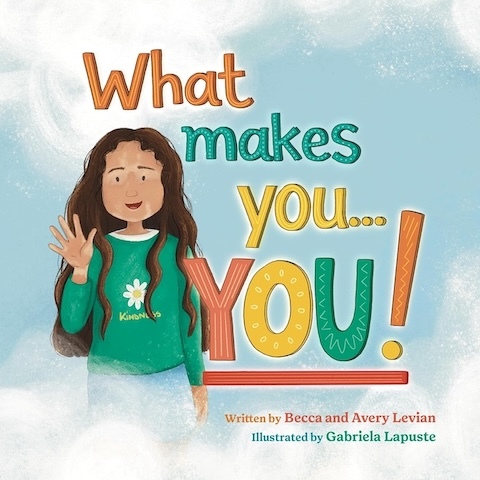
Becca & Avery Levian — What Makes You… YOU!
Ages 4–8
Inspired by Avery’s real-life journey with vitiligo. A mother-daughter story about identity, belonging, confidence, and learning to be comfortable in your own skin.
Buy from the authors →
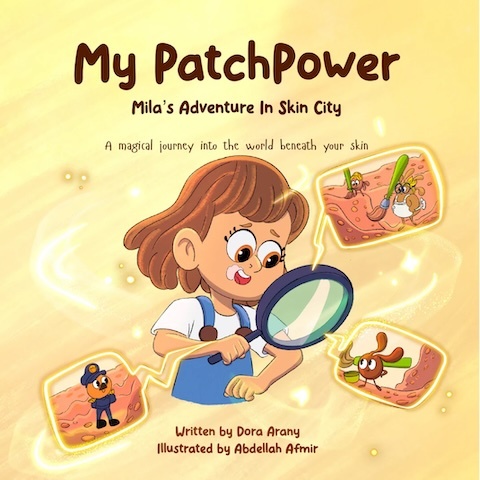
Dora Arany — My PatchPower: Mila’s Adventure In Skin City
Illustrated by Abdellah Afmir · Ages 4–9
A gentle adventure “inside the skin,” giving families a friendly way to explain some of the science without turning bedtime into a biology exam.
Book website ·
Buy on Amazon →
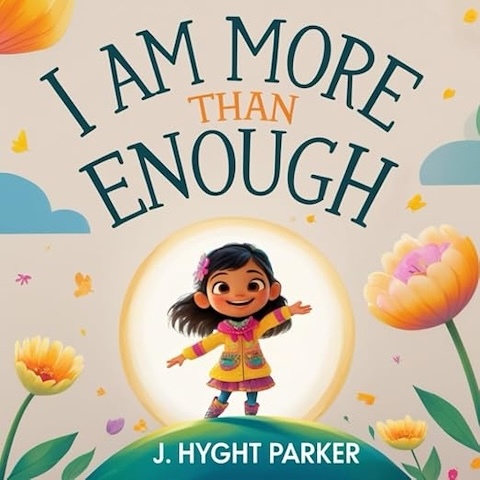
J. Hyght Parker — I Am More Than Enough
Ages 2–8
An affirming picture book featuring a girl with vitiligo, with themes of confidence, self-worth, diversity, and faith-based encouragement.
Buy on Amazon →
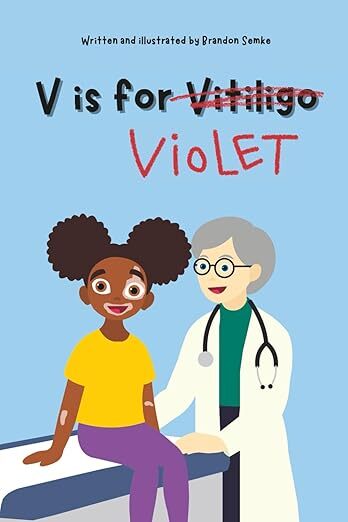
Brandon E. Semke — V is for Violet
Ages 4–8
An alphabet-style story about a cheerful girl learning about vitiligo after a visit to the doctor. Straightforward and warm.
Buy on Amazon →
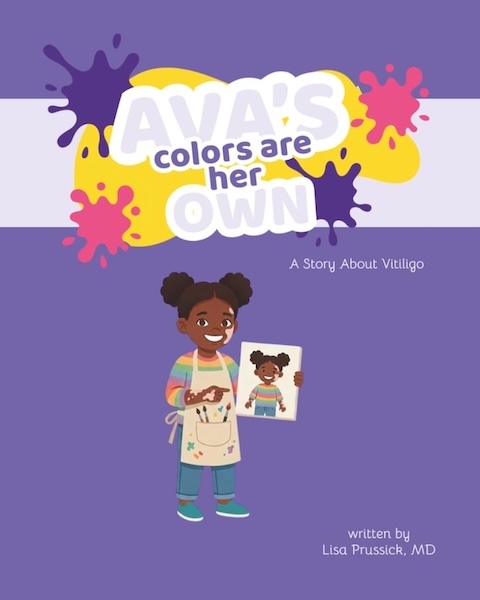
Lisa Prussick, MD — Ava’s Colors Are Her Own
The Skin Brief: Kids · Ages 5–10
A calm first-conversation book by a dermatologist, centered on identity, art, and confidence rather than “fixing” the skin.
Author page ·
Buy on Amazon →
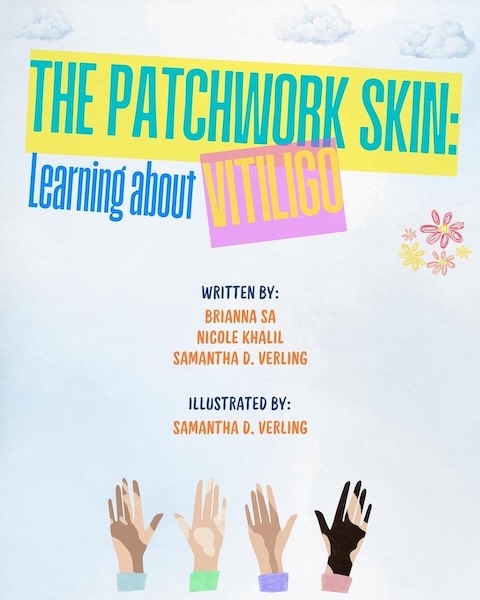
Brianna Sa, Samantha D. Verling & Nicole Khalil — The Patchwork Skin
Ages 4–8
A gentle introduction to vitiligo through a child’s eyes, combining explanation with acceptance and representation.
Buy on Amazon →
Great for school
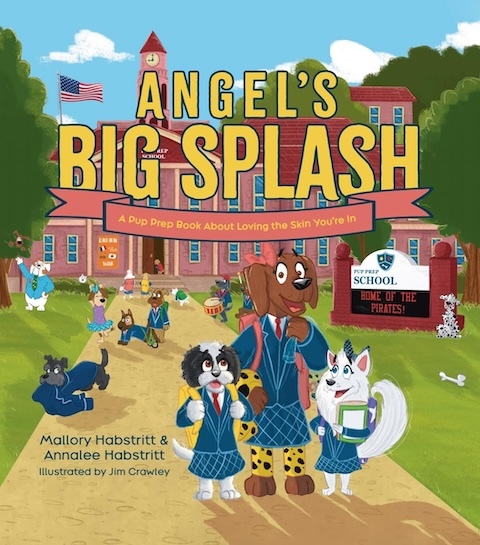
Mallory & Annalee Habstritt — Angel’s Big Splash
Ages 4–8
Angel the dog starts at a new school and worries about her vitiligo patches. A sweet story about friendship and first-day jitters.
Buy on Amazon →
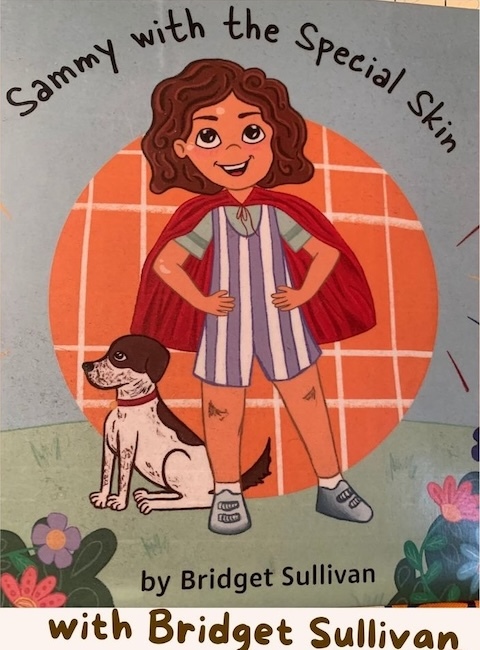
Bridget Sullivan — Sammy with the Special Skin
Ages 4–8
A calm, reassuring story about becoming comfortable in your own skin. Vitiligo is present without consuming the plot.
Find on Amazon →
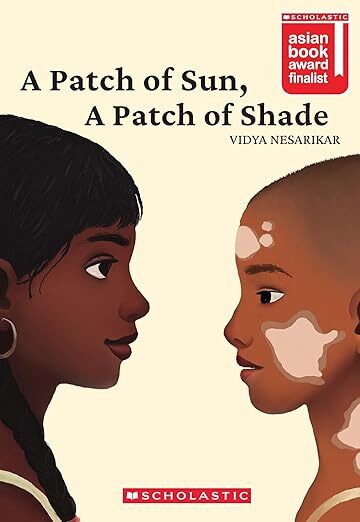
Vidya Nesarikar — A Patch of Sun, A Patch of Shade
Ages 7–11
Champa stops going to school because of staring and questions, then finds friendship and courage. More emotional weight than the average picture book.
Buy on Amazon India →
New Additions to Our Shelf
These were missing from the previous version. Several are especially useful because vitiligo exists inside an actual life — school, music, birthdays, family — rather than being the only thing the character is allowed to think about.
First-day-of-school pick
Shankar Jalota — The Adventures of The Vitiligo Man
Illustrated by Yuyuartt · Published 2022
Awais is starting at a new school and worries about his white patch, teasing, and making friends. Then he meets Lola and starts discovering his “everyday superpowers.” School is not scenery here — it is the story.
Buy at Bookshop.org ·
Amazon →
Jordan Burk — Kelly and the Star of New Orleans
Published 2022
Tilly is a New Orleans trumpet player with vitiligo who dreams of playing Jazz Fest. There’s friendship, music, ambition, and a plush alligator. Most importantly, Tilly is a character with vitiligo who actually wants to do something besides talk about vitiligo.
Find on Amazon →
Florenza Denise Lee — Amiri’s Birthday Wish
Published 2020
Amiri has vitiligo, but vitiligo is not the story. The book is about a birthday, family, choice, and a child deciding what kind of day to have. His skin is visible, present, and ordinary within the larger story. That kind of representation is rarer than it should be.
Author / publisher page ·
Find on Amazon →
Romana Mathews — Cocoa’s and Hazel’s Vitiligo Superpowers
Published 2022
Cocoa learns about her white patches from Grandma Nita. Later, at a Juneteenth celebration, she meets Hazel, another girl with vitiligo who is hiding her patches. Family, Black identity, friendship, representation, and visible difference all meet here.
Find on Amazon →
More Titles Worth Exploring
Some are newer or independently published. Think of this as a promising shelf, not a papal blessing from the Council of Vitiligo Book Elders.
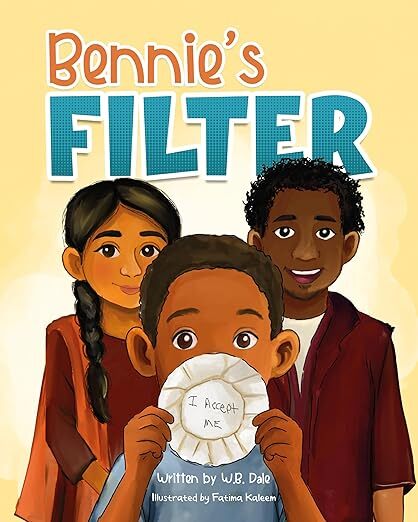
W.B. Dale — Bennie’s Filter
Ages 5–8+
Based on the author’s own experience. Teasing, rejection, resilience, and friendship.
Buy on Amazon →
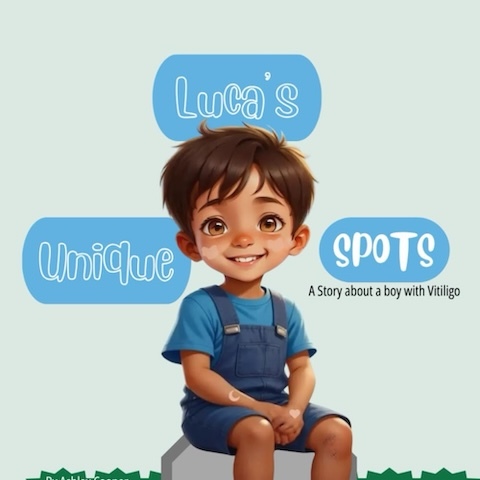
Luca’s Unique Spots
Ages 2–8
A short story about a boy navigating school, public attention, and belonging.
Buy on Amazon →
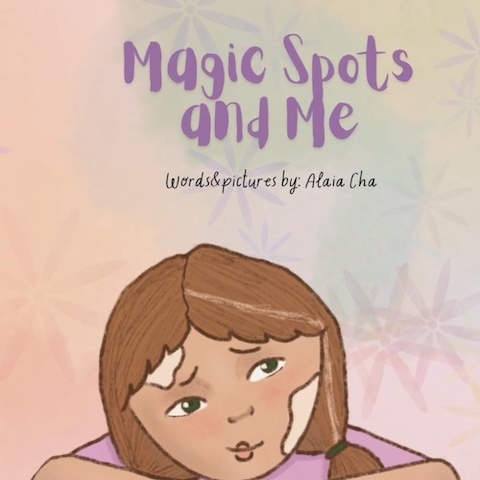
Alaia Cha — Magic Spots and Me
Ages 2–8
Finley learns to see her changing skin with more kindness.
Buy on Amazon →
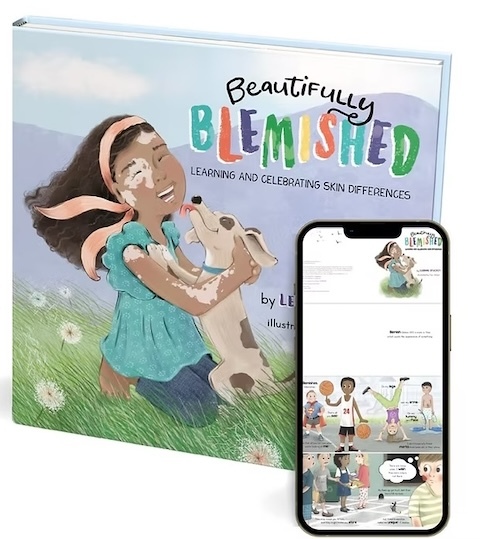
Leanne Stuckey — Beautifully Blemished
Ages 3–8
A rhyming celebration of visible skin differences including vitiligo, birthmarks, scars, and eczema.
Buy from author →
Jolene Raison — The Vitiligo Spot Spotter
Illustrated by Nikki Naidoo · Published 2019
Cinnamon imagines the staring as a multi-eyed monster hunting her patches. Conceptually, it gets surprisingly close to how a six-year-old may experience a playground. Independently published, with limited reviews and uneven production quality — but a useful idea.
Buy at Walmart ·
Find on Amazon →
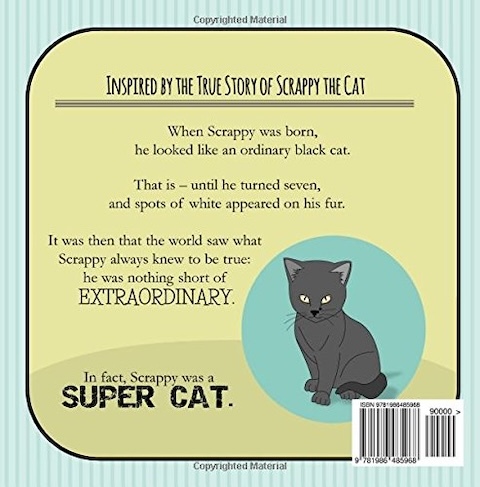
Jacqueline Ridge — The Adventures of Scrappy the Cat
A playful animal-character route into visible difference.
Find on Amazon →
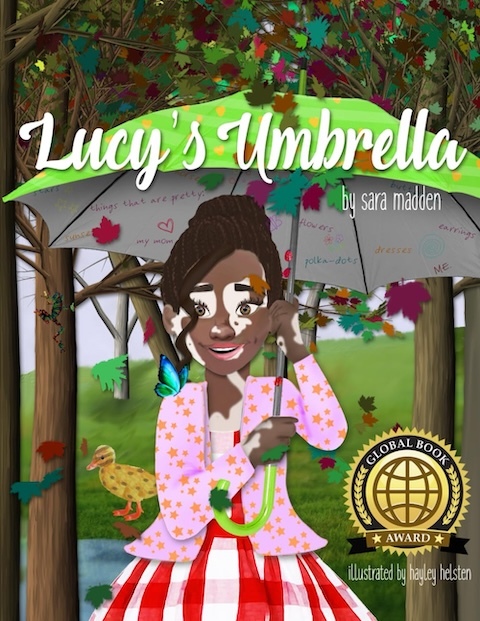
Sara Madden — Lucy’s Umbrella
A gentle story about beauty in skin patterns, nature, difference, and friendship.
Find on Amazon →
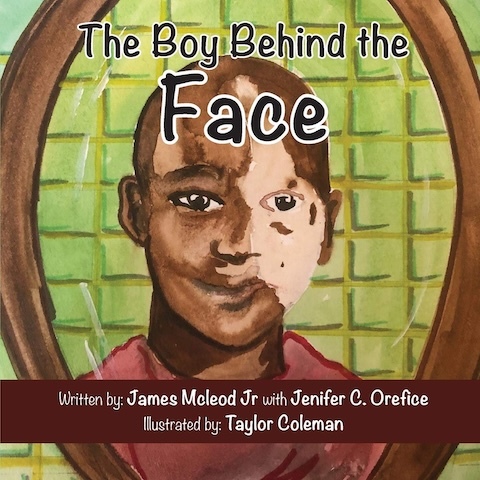
James McLeod Jr. — The Boy Behind the Face
Ages 7+
Bullying, courage, and learning not to define yourself through other people’s reactions.
Find on Amazon →
Classic Favorites
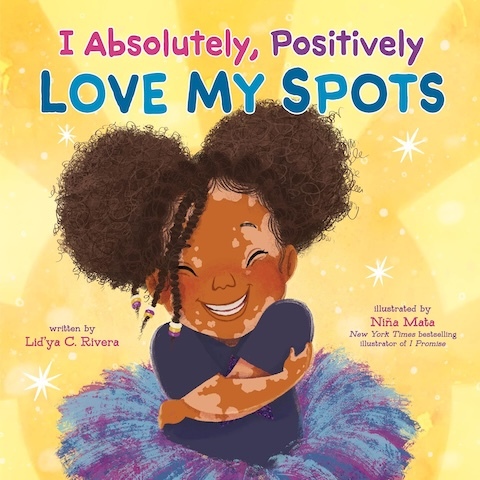
Lid’ya C. Rivera — I Absolutely, Positively Love My Spots.
Bright, upbeat, unapologetically positive.
Buy on Amazon →
Celeste Casan — What can you do when you notice that you have vitiligo?
Feelings-focused and useful for the early “Why me?” stage.
Find on Amazon →
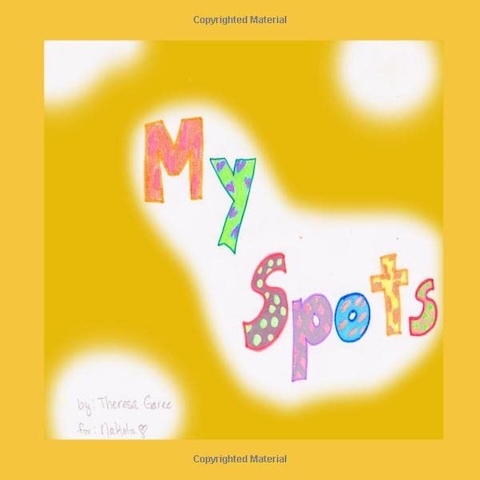
Theresa & Nakota Garee — My Spots.
An animal-spots metaphor for younger children.
Find on Amazon →
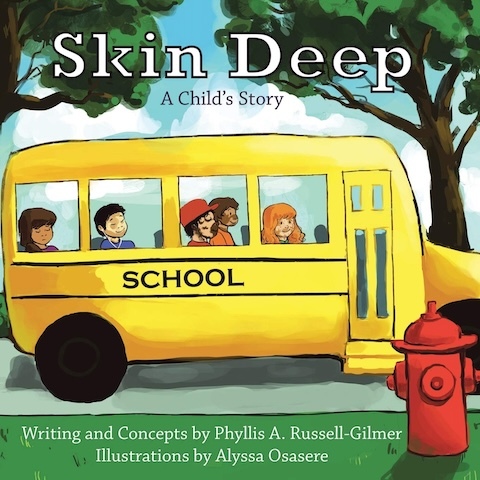
Phyllis Russell-Gilmer — Skin Deep
A rhyming reminder that children are more than other people’s reactions.
Find on Amazon →
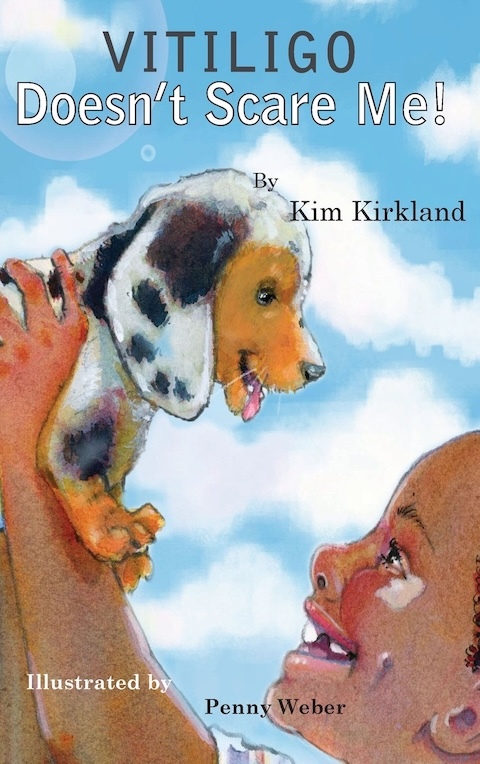
Kim Kirkland — Vitiligo Doesn’t Scare Me!
Straightforward reassurance for younger children.
Find on Amazon →
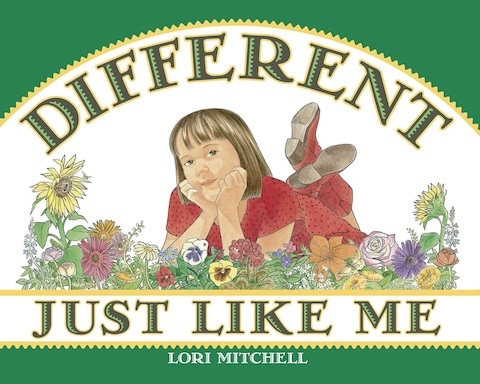
Lori Mitchell — Different Just Like Me
A broader book about human difference. Strong classroom choice.
Find on Amazon →
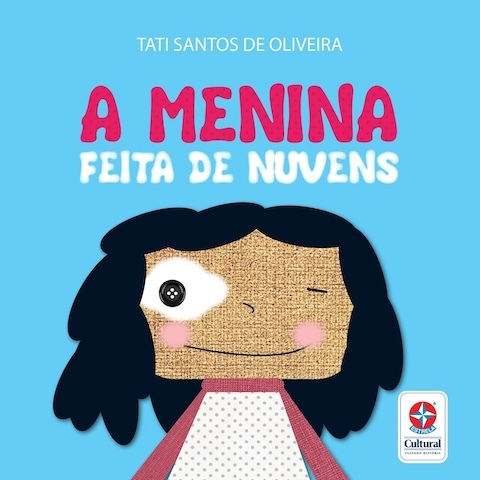
Tati Santos de Oliveira — A Menina Feita de Nuvens / The Girl Made of Clouds
Poetic and imaginative.
Find on Amazon →
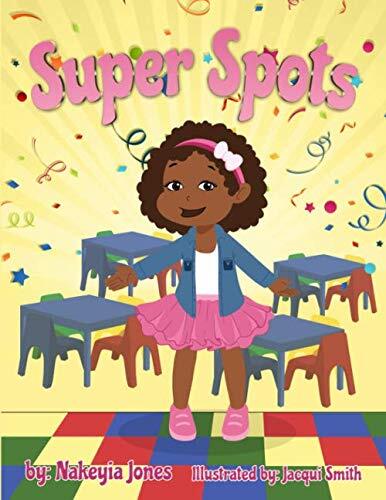
Nakeyia Glover-Jones — Super Spots
Joyful back-to-school normalization.
Find on Amazon →
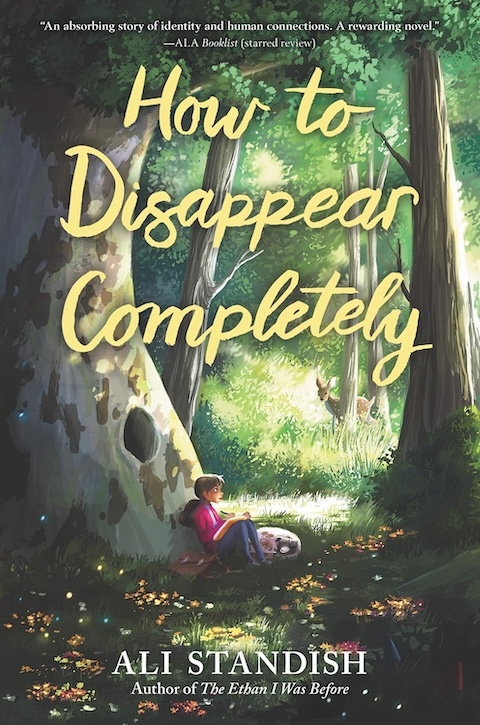
Ali Standish — How to Disappear Completely
Ages 8–12+
A middle-grade novel where vitiligo is part of life rather than the whole identity.
Buy on Amazon →
Early vitiligo title
Jewel Kats — Snow White’s Seven Patches
Illustrated by Dan Goodfellow · Published 2013
One of the earlier books devoted specifically to vitiligo. Some language and plot choices have aged, but as an early, imperfect, historically useful attempt to give children with vitiligo a story of their own, it deserves a place here.
Buy at Barnes & Noble ·
Apple Books →
Beyond English
International Shelf
Children should not need a second language before they can find themselves in a story.
Paule Battault — Léo s’efface
Illustrated by Julie Debezy · 2025 · French
Told through the eyes of Léo’s little sister, with his patches imagined as eraser marks. The sibling point of view is particularly useful: most vitiligo books stay inside the familiar “me and my spots” frame.
Find on Amazon France →
Élodie Buisson — Mes petites taches
Illustrated by Astride Essame · 2026 · French
Written by a teacher with vitiligo who could not find the book she needed, so she wrote it herself. Poetry rather than a lecture — image, rhythm, imagination, and feeling instead of another miniature medical seminar.
Purchase information via Association Française du Vitiligo →
The bookshelf doesn’t stop at childhood
For Adults
Children need stories that help them make sense of difference. Adults sometimes need the same thing — only with fewer superheroes and a little more life experience.
Practical guide
A No-Nonsense Guide To Vitiligo
A practical guide to what to know, what to ask, and how to navigate vitiligo without fear, confusion, or the traditional internet rabbit hole at 2:17 a.m.
Buy current edition on Amazon →
Personal journey
Ferrat Destine — Shades of Lights
Published 2024
This is not simply a book about vitiligo. It is about the personal journey that can come with it — the ups and downs, struggles and triumphs, and the long, uneven road toward self-acceptance.
Destine explores what happens when visible difference becomes tangled with identity, confidence, relationships, and the way we see ourselves.
Find on Amazon →
Tips for Parents
Read together. Then stop talking.
Seriously. Read the story, pause, and let the child decide where the conversation goes.
Younger children often need simple language and reassurance. Older children may want to talk about staring, teasing, treatment, or whether friends will notice new patches. “How do you think that character felt?” usually works better than delivering a twenty-minute parental TED Talk.
The Library Gift
If your child is starting a new grade, consider donating one of these books to the classroom or school library. It gives the teacher a natural way to talk about visible difference without making your child explain vitiligo every five minutes like a tiny unpaid public-health officer.
Representation matters
Vitiligo affects children of every ethnicity and gender. Seeing a character who looks familiar can help a child feel less unusual. For classmates, these stories do something equally useful: they make visible difference ordinary before curiosity has a chance to become awkwardness.
The takeaway
The goal is not to convince children that vitiligo is always easy. It isn’t. The goal is to give them language, mirrors, confidence, and a few good stories before the world starts asking clumsy questions.
Put a good book where a child can find it
Support Our Vitiligo Library Grant Program
The VR Foundation offers grants to help nonprofit organizations, patient groups, and community organizations expand access to vitiligo books and educational materials around the world.
One book in the right classroom can sometimes do more good than another fifty-page awareness brochure nobody asked for.
Learn about the Library Grant Program →
A good book cannot solve everything.
But it can make the first conversation a little less awkward, the first school day a little less lonely, and the child reading it feel a little more ordinary.
Sometimes ordinary is exactly what they need.