
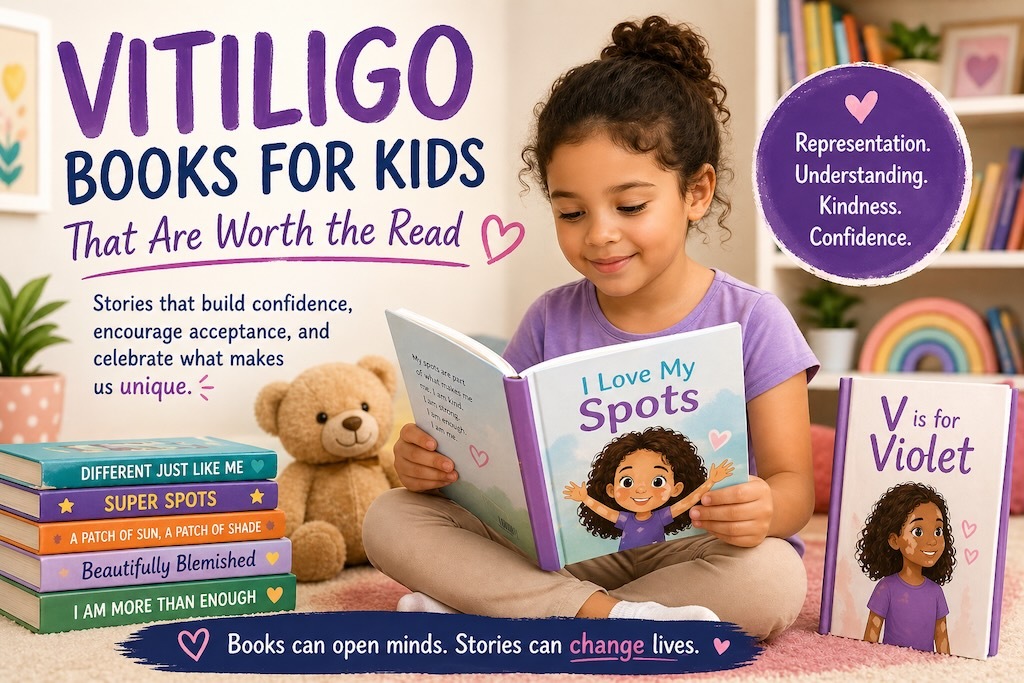
Talking to kids about skin — and difference in general — can feel tricky. Adults worry about saying the wrong thing. Kids usually just want the truth, in simple words, without turning it into a scary “big talk.”
That’s where storybooks do their magic. A good book gives children language, examples, and a safe way to ask questions. It also helps siblings, classmates, and parents learn what to say — and what not to say — without making anyone feel awkward.
Below is a curated list of children’s books featuring vitiligo, organized by category and approximate age range. Some newer titles are listed based on publisher, author, or public catalogue information. We update this page as we review more books directly and receive feedback from families.
Updated on May 14, 2026
Note: Purchase links are included for convenience. The VR Foundation does not endorse every author, and does not receive any sales comission. Availability may vary by country, format, and edition.
At a Glance — Quick Picks by Need
For first conversations: Ava’s Colors Are Her Own, V is for Violet, Sammy with the Special Skin
For classroom reading: Different Just Like Me, Beautifully Blemished, I Absolutely, Positively Love My Spots
For confidence and self-worth: I Am More Than Enough, Super Spots, I’ve Got Spots!
For bullying or emotional difficulty: A Patch of Sun, A Patch of Shade, The Boy Behind the Face, How to Disappear Completely
For broader skin differences: Beautifully Blemished, Different Just Like Me
These quick recommendations help parents pick the right book fast — especially when a child is already asking, “Why is my skin doing weird art?”
Coming Soon
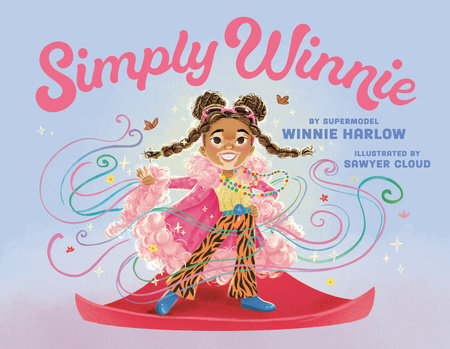
Winnie Harlow — Simply Winnie
Ages 4–8. A forthcoming 48-page picture book inspired by Winnie Harlow’s own childhood experience with vitiligo. The story follows a spunky, stylish young girl who learns that what makes her stand out can be a source of strength, creativity, and connection. Given Harlow’s global visibility, this may become one of the most recognizable children’s books connected to vitiligo.
Release: June 2, 2026. Published by Penguin Workshop.
2025–2026 New Releases
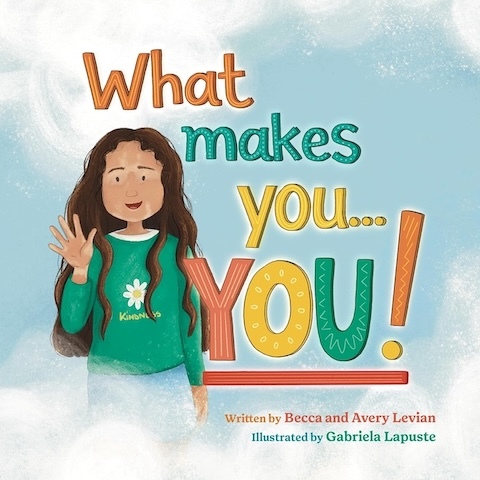
Becca Levian and daughter — What Makes You… YOU!
Ages 4–8. A children’s book inspired by the author’s daughter, who developed vitiligo at age 5. Co-written by mother and daughter, book focuses on self-acceptance, identity, confidence, and empathy — the kind of gentle language families often need when a child is trying to understand why their skin looks different.
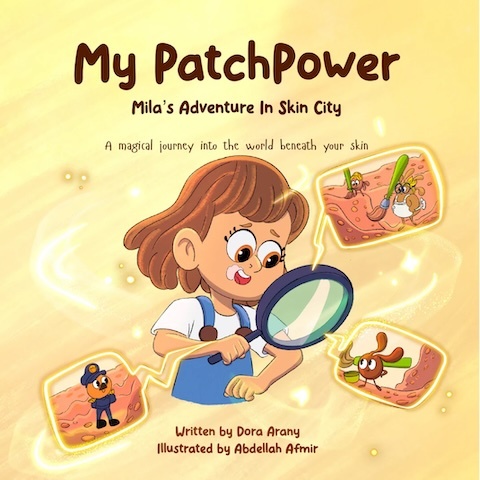
Dora Arany — My PatchPower: Mila’s Adventure In Skin City
Illustrated by Abdellah Afmir
Ages 4–9. This book that takes a slightly different approach to explaining vitiligo. Instead of focusing only on confidence or visible difference, My PatchPower invites children on a gentle adventure “inside the skin,” helping them understand what may be happening behind the scenes when vitiligo develops. A promising choice for families who want a simple, friendly way to explain the science of vitiligo without turning bedtime into a biology exam.
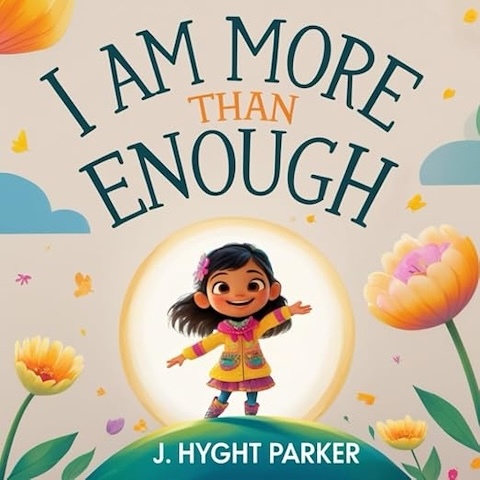
J. Hyght Parker — I Am More Than Enough
Ages 2–8. An uplifting picture book featuring a confident girl with vitiligo who celebrates her unique skin as part of what makes her special. Emphasizes self-worth, diversity, confidence, and faith-based encouragement. Heartwarming and affirming.
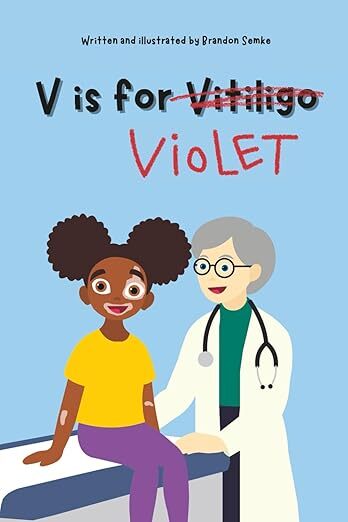
Brandon E. Semke — V is for Violet
Ages 4–8. A heartwarming, empowering alphabet-style story about a joyful girl named Violet who learns to embrace her vitiligo after a visit to the doctor. Helps children and families understand the condition while encouraging self-love and acceptance.
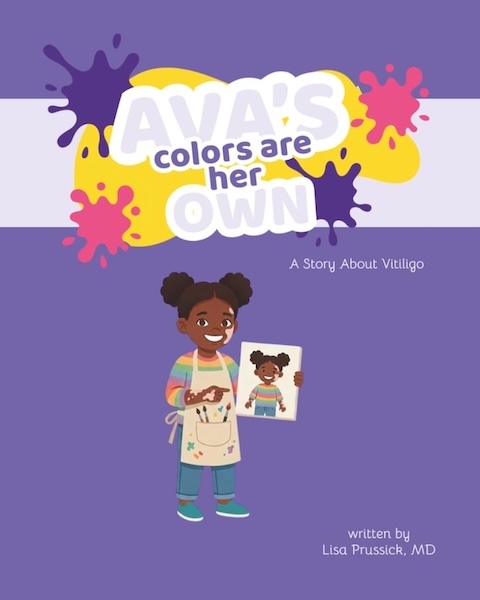
Lisa Prussick, MD — Ava’s Colors Are Her Own: A Children’s Book About Vitiligo, Confidence, and Loving Your Skin
The Skin Brief: Kids series
Ages 5–10. Ava notices pale patches appearing on her skin and begins learning what vitiligo means. The story keeps the tone gentle and reassuring, focusing less on “fixing” the skin and more on helping a child feel confident, loved, and comfortable being seen. A strong choice for families looking for a first conversation starter — especially because the author is a dermatologist.
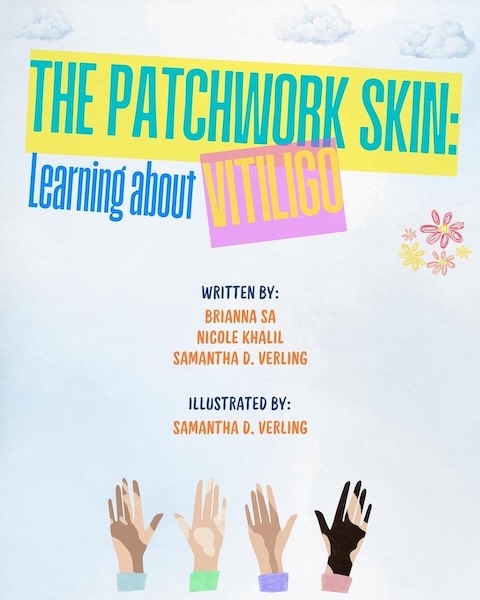
Brianna Sa, Samantha D. Verling & Nicole Khalil — The Patchwork Skin: Learning About Vitiligo
Ages 4–8. A beautifully illustrated, gentle introduction that explains vitiligo through the eyes of a curious, kind-hearted child. Encourages understanding, acceptance, and celebration of what makes each of us unique. Released July 2025.
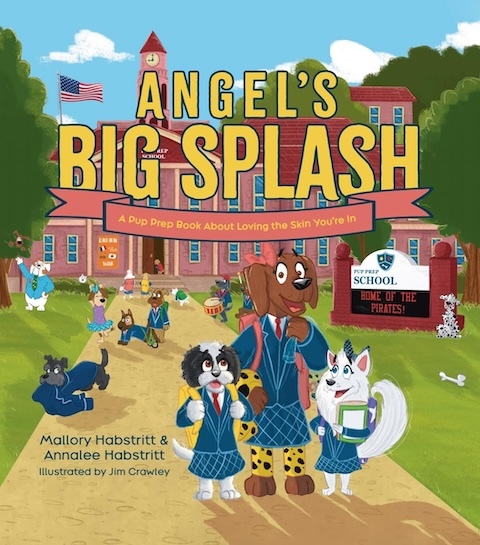
Mallory Habstritt and Annalee Habstritt — Angel’s Big Splash: A Pup Prep Book About Loving the Skin You’re In
Ages 4–8. Angel the dog starts at a new school and worries about her vitiligo patches. A light, sweet story that teaches children that real friends don’t treat your skin like a problem. Published August 2025.
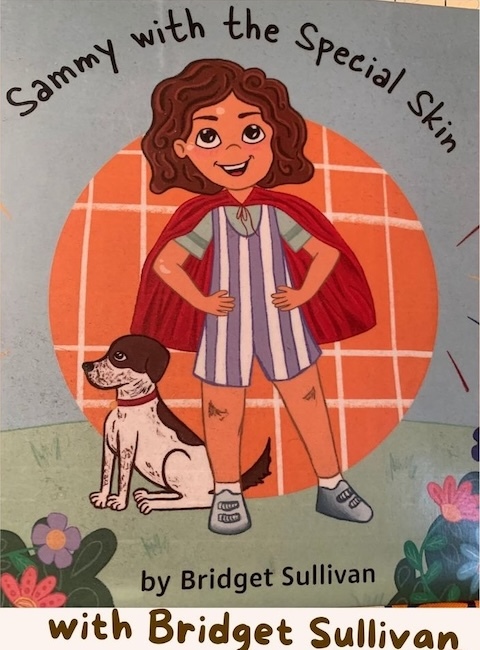
Bridget Sullivan — Sammy with the Special Skin
Ages 4–8. A calm, reassuring story about a young girl learning to feel comfortable in her own skin. It keeps vitiligo from feeling like the whole plot, which makes it a lovely bedtime read.
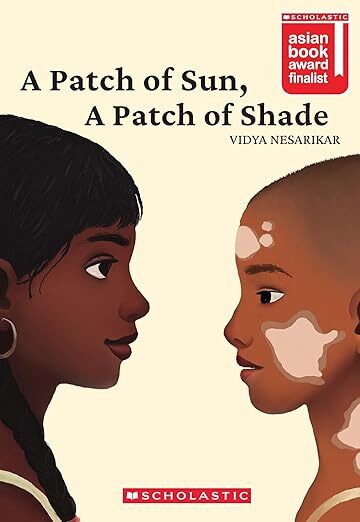
Vidya Nesarikar — A Patch of Sun, A Patch of Shade
Ages 7–11. Champa stops going to school because of staring and questions, then finds friendship and courage. Warm and realistic, with more emotional depth. Published in India.
More Titles Worth Exploring
Some of these titles are newer or self-published. They may be useful for families, schools, and libraries, but we are still gathering direct reader feedback. Think of this section as a promising shelf, not a papal blessing from the Council of Vitiligo Book Elders.
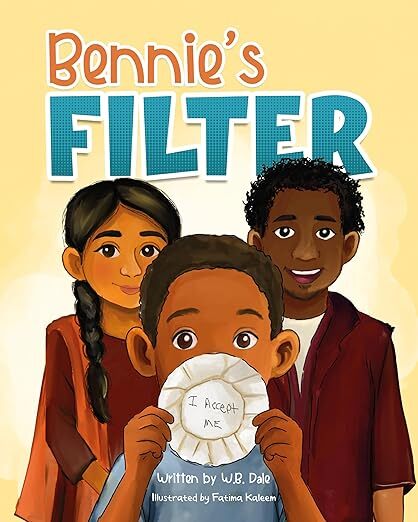
W.B. Dale — Bennie’s Filter
Ages 5–8+. A picture book based on the author’s real-life experience with vitiligo. Bennie learns that his skin may change, but true friendship should not. Because the story includes teasing and social rejection, it may work best when read together with an adult, especially for sensitive children.
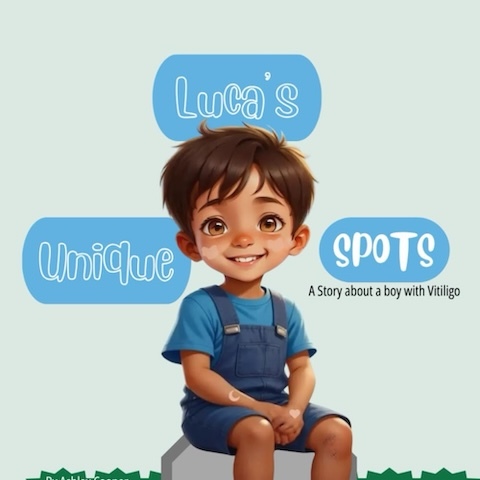
Luca’s Unique Spots: A Story About a Boy with Vitiligo
Ages 2–8. A short story about a boy with vitiligo navigating school, public attention, and belonging. Promising as an early-childhood introduction, pending full review.
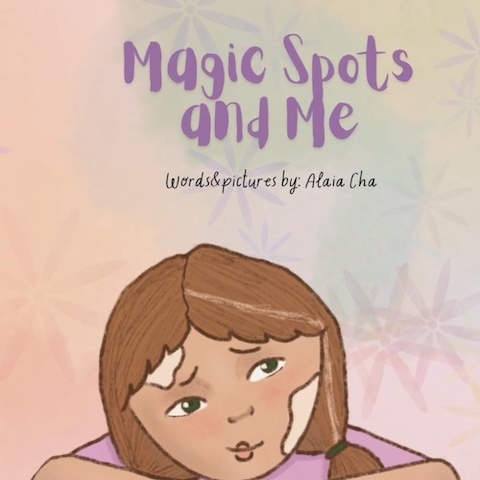
Alaia Cha — Magic Spots and Me
Ages 2–8. Finley learns to accept her vitiligo and see her skin with more kindness.
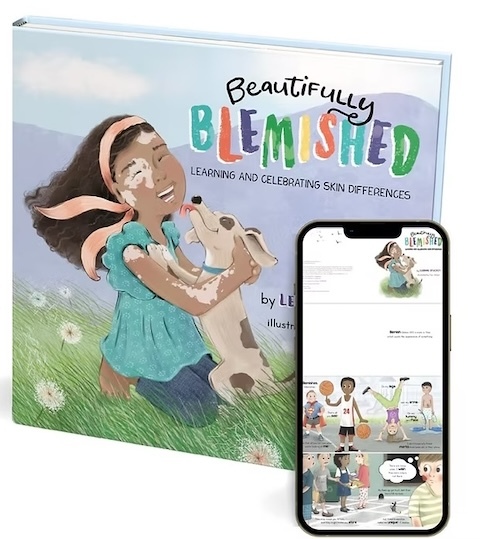
Leanne Stuckey — Beautifully Blemished
Ages 3–8. A rhyming celebration of skin differences, including vitiligo, birthmarks, scars, eczema, and more. Especially useful for classrooms and siblings.
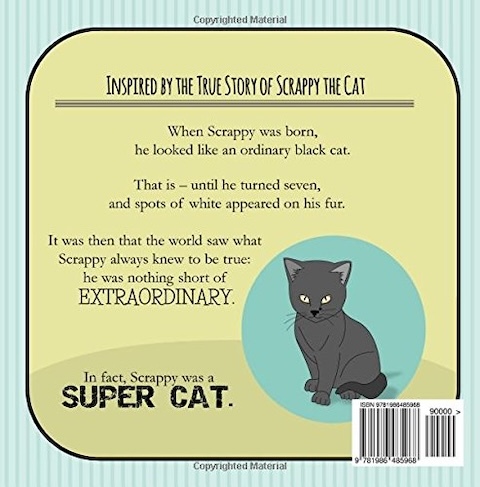
Jacqueline Ridge — The Adventures of Scrappy the Cat
Ages 3–8. A fun magical story featuring visible difference through a playful animal character.
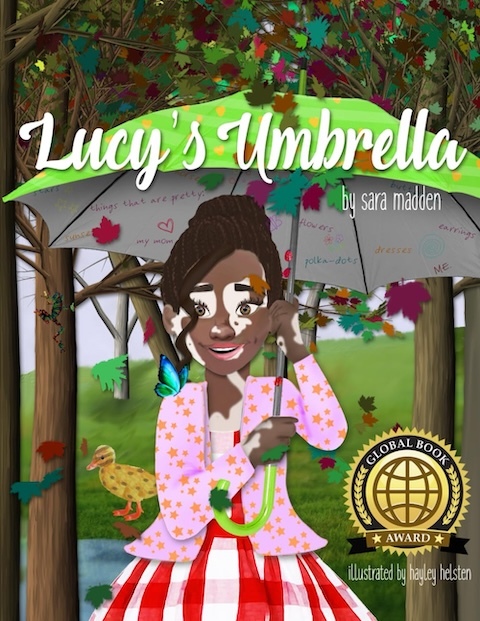
Sara Madden — Lucy’s Umbrella
Ages 3–8. A gentle story about beauty in skin patterns, difference, and friendship.
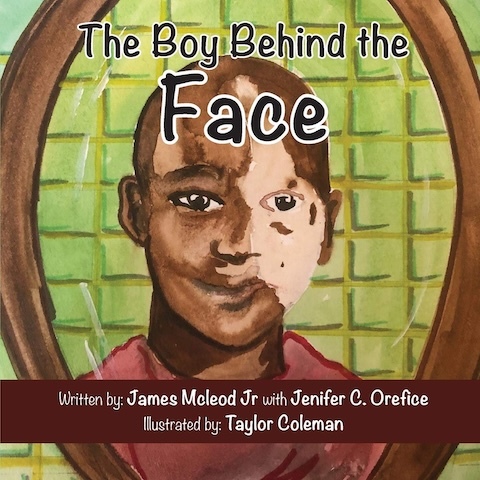
James McLeod Jr. — The Boy Behind the Face
Ages 7+. A story about bullying, courage, and learning to see yourself as more than other people’s reactions.
Classic Favorites
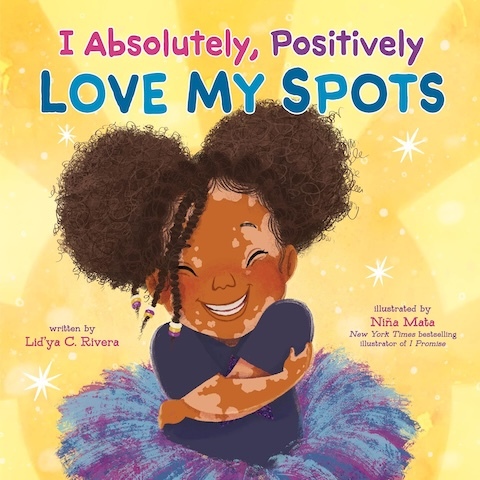
Lid’ya C. Rivera — I Absolutely, Positively Love My Spots.
Ages 4–8. Bright, upbeat celebration of skin and uniqueness.
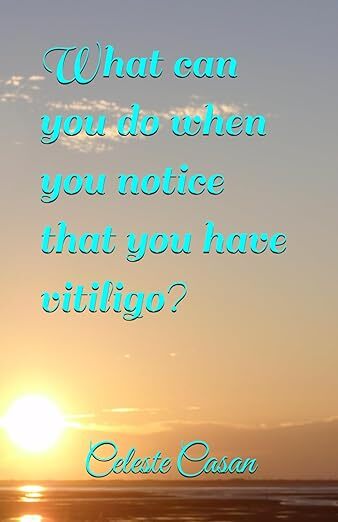
Celeste Casan — What can you do when you notice that you have vitiligo?
Ages 4–8. Feelings-focused and useful for the “Why me?” stage.
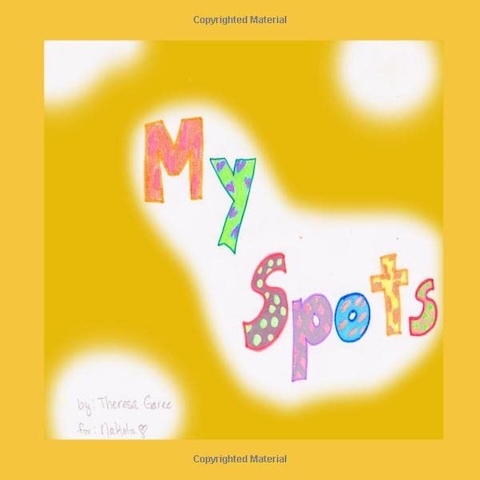
Theresa and Nakota Garee — My Spots.
Ages 3–7. Uses a clever animal “spots” metaphor to help children feel less alone.
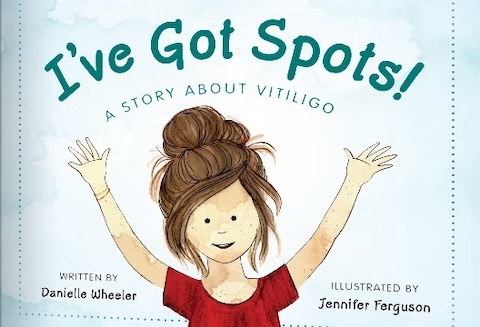
Danielle Wheeler — I’ve Got Spots!
Ages 4–8. Energetic, empowering, and direct.
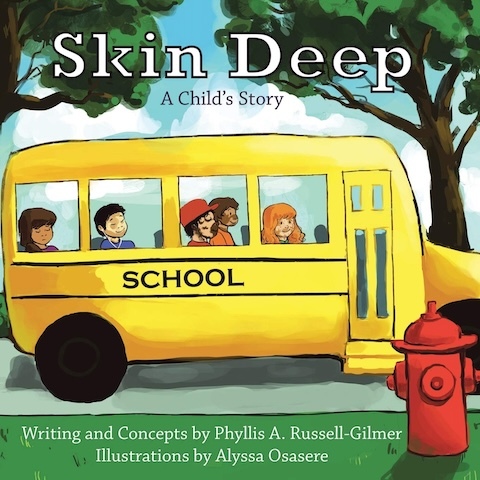
Phyllis Russell-Gilmer — Skin Deep.
Ages 4–8. A rhyming message that reminds children they are more than other people’s reactions.
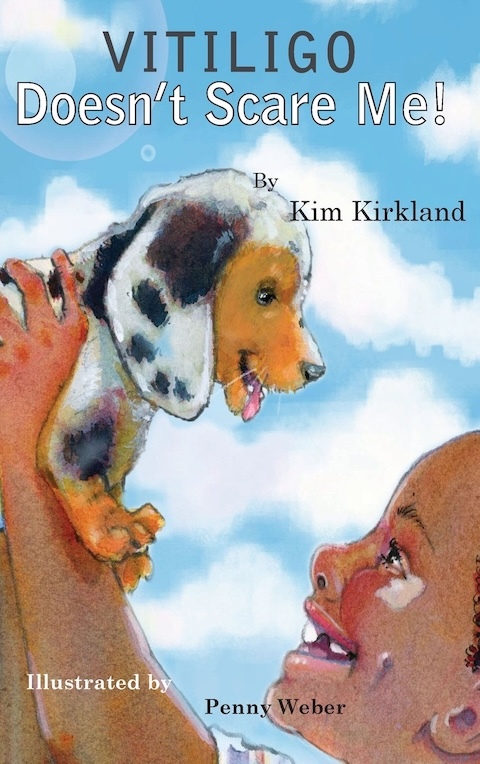
Kim Kirkland — Vitiligo Doesn’t Scare Me!
Ages 4–8. Straightforward reassurance for young children learning about vitiligo.
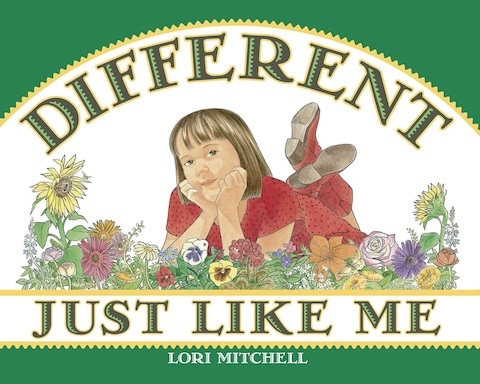
Lori Mitchell — Different Just Like Me
Ages 4–9. A broader book about all kinds of differences. Great for classrooms and early conversations about inclusion.
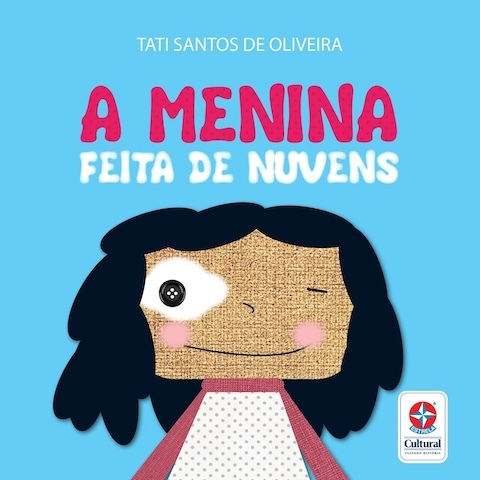
Tati Santos de Oliveira — A Menina Feita de Nuvens / The Girl Made of Clouds
Ages 5–9. Poetic and imaginative. A beautiful international title for families looking beyond English-language books.
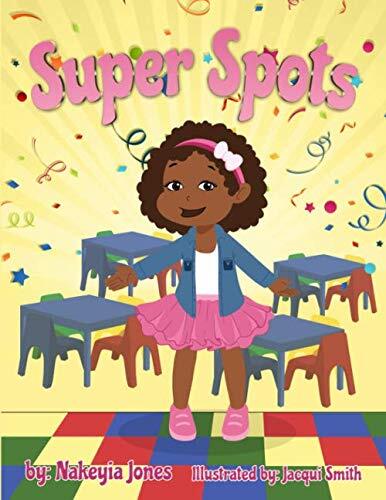
Nakeyia Glover-Jones — Super Spots
Ages 5–9. Joyful back-to-school normalization with a confident tone.
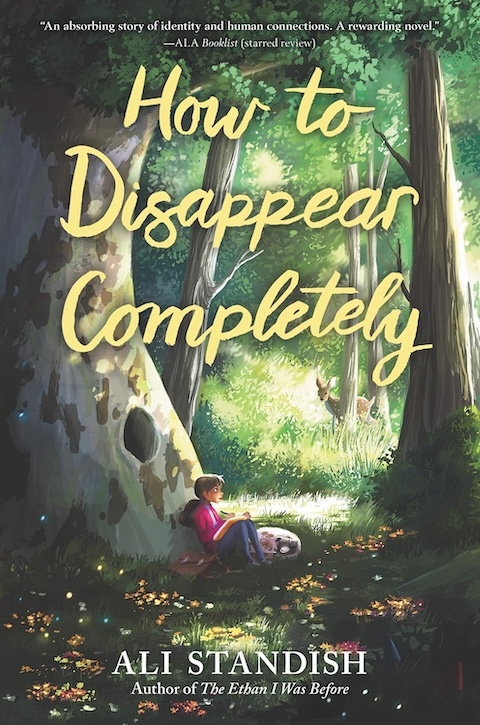
Ali Standish — How to Disappear Completely
Ages 8–12+. A middle-grade novel where vitiligo is part of the character’s life, not the whole identity. Best for older children ready for a longer, more layered story.
Plus select international titles, including Strakáč a Tíoni and Giraffenmädchen. These may be easier to find through regional bookstores, libraries, or local publishers.
A No-Nonsense Guide To Vitiligo — Third Edition
The new edition is being written by Yan Valle especially for parents of children with vitiligo. It will offer calm, practical guidance on what to know, what to ask, and how to support your child without fear, confusion, or internet drama.
Tips for Parents
How to use these books effectively
Read together and pause for questions. Start with lighter, fun stories for younger kids, then move to books addressing emotions or bullying as your child grows. Use the stories as a springboard for simple questions: “How do you think the character felt?” or “What would you say if a friend noticed your skin?” Many families reread favorites during school transitions or flare-ups for reassurance. They also work wonderfully for siblings, classrooms, and friends.
The “Library Gift”
If your child is starting a new grade, consider donating one of these books to the classroom library. It allows the teacher to introduce skin diversity naturally, without making your child explain themselves every five minutes like a tiny unpaid public-health officer.
Diversity of characters
Vitiligo affects people of all ethnicities and genders, and many of these books reflect that variety. You’ll find protagonists who are girls and boys, and characters from different racial and cultural backgrounds, including Indian, African-American, and other communities. This representation helps children see themselves in stories — and helps others understand that visible difference is part of ordinary human life.
Recommended Reading from VR Foundation
Support Our Vitiligo Library Grant Program
The VR Foundation offers grants to help schools, libraries, and community organizations add vitiligo-positive books to their collections.
The goal is not to convince children that vitiligo is always easy. It isn’t. The goal is to give them language, mirrors, courage, and a few good stories before the world starts asking clumsy questions.
A good book cannot solve everything. But it can make the first conversation a little less lonely.